By: Gauri Harbola
Seasonal Fruits and Climate Change: Why Your Choices Matter
When talking about climate change, more often than not our minds go to melting ice caps, flooded coastal towns or scorching temperatures. Little notice is taken, though, of how quietly it can change something as familiar as the fruit on your table. That mango that used to ripen dependably every May? It might be blooming late or not tasting as sweet as you remember; apples are making their way farther and farther up toward the mountain among the cooler air.
Farmers feel the change first, but it eventually trickles down to all of us — bite by bite. And here, too, is where the practice of seasonal eating is not only tradition, but a climate-smart choice. Eating fruit in its season is not primarily a nostalgia thing, or all about flavour — it’s common sense, climate wise. It helps support your neighbours who are growing food, nourishes your body in season, and lessens the ecological footprint of our food system.
What Counts as Seasonal Fruit?
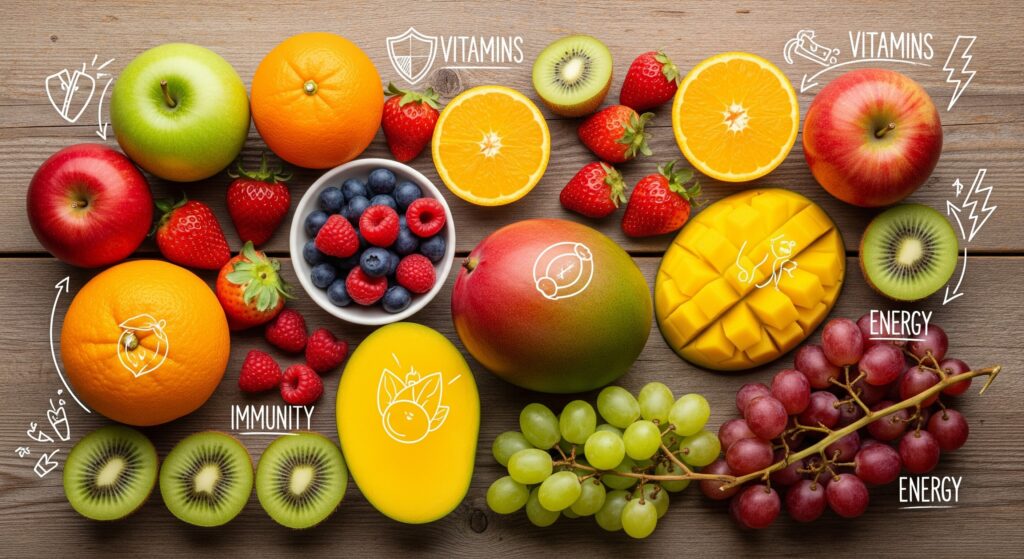
Seasonal fruits are those that are only available at certain times of their growth cycle, and have reached their ripest form without chemical ripening and/or a long shelf life that comes with being cold-stored for months and months and months, and/or being flown from the other side of the earth. They are more fresh, more nutrient-rich, and easier on both your wallet and the planet.
In India, the calendar looks something like this:
- Summer: mangoes, watermelons, muskmelons, lychees, jamuns.
- Monsoon/Autumn: guavas, custard apples, pears.
- Winter: oranges, knows, apples, strawberries.
Notice the clever design: thirst-quenching fruits in scorching months, immunity boosters in winter. Nature seems to know exactly what your body craves when.
How Climate Change Disrupts Fruit Harvests
For centuries, fruiting followed steady patterns: flowers in spring, harvests in summer, storage for leaner months. But erratic rainfall and warming air are throwing this balance off.
- Mangoes: Warmer winters delay flowering, reduce harvest volumes, and dull their trademark sweetness.
- Apples: Rising heat is forcing orchards higher up the Himalayas, displacing generations of farmers in Himachal Pradesh and Kashmir.
- Grapes & bananas: Sudden rains trigger fungal infections, leading to severe crop losses.
- Citrus & guavas: Unpredictable weather reduces sweetness and shortens shelf life.
The ripple effects are stark: farmers lose income, buyers pay more, and the fruits that reach your basket may taste duller or carry fewer nutrients than before.
Why Seasonal Eating Helps the Planet
Every food choice carries a climate cost. Seasonal eating reduces that burden by working with, not against, nature’s clock.
- Fewer food miles: Local produce doesn’t burn fuel flying across continents.
- Less chemical input: Crops grown in season need fewer pesticides and fertilisers.
- Reduced waste: Naturally ripened fruits last longer and arrive fresher.
That mango in June isn’t just sweeter, it’s gentler on the earth than one imported in December.
Why It’s Better for You Too
Eating in season means eating in sync with your body’s shifting needs.
- More nutrients: Oranges that ripen naturally in winter carry more vitamin C than ones dragged out of storage.
- Better digestion: Summer’s hydrating melons cool the body, while winter’s citrus strengthens resistance to infection.
- Safer choices: Less dependence on ripening agents or storage chemicals.
Think of it as nature prescribing exactly what you need—except instead of bitter pills, you get mangoes, jamuns, and crisp apples.
The Hidden Price of Off-Season and Imported Fruits
The year-round bounty of supermarket aisles looks appealing, but off-season indulgence isn’t free.
- Environmental: Flying cherries across oceans racks up huge emissions.
- Economic: Imports cost more thanks to shipping, storage, and duties.
- Nutritional: Weeks in transit blunt flavour and sap vitamins.
- Social: Every imported apple sold chips away at the livelihood of local farmers.
As an occasional treat, fine. As a habit, it’s wasteful for the planet and rough on your pocket.
How to Bring Back Seasonal Eating
It doesn’t take a lifestyle overhaul, just a bit of awareness.
- Check the calendar: Keep a seasonal produce list handy.
- Buy local: Farmer markets and sabzi mandis show what’s truly in season.
- Cook with the season: Guava chutney in monsoon, aam panna in summer, orange kheer in winter.
- Preserve smartly: Sun-dry or freeze fruits when they’re abundant.
- Stay curious: Instead of year-round blueberries, rediscover jamun, custard apple, or ber. Even small shifts in daily choices—like swapping an imported kiwi for a local guava—make a difference.
Conclusion
As climate patterns grow more unstable, our daily food habits quietly become acts of harm, or of healing. Seasonal eating isn’t deprivation; it’s savouring fruit at its peak while giving farmers a fair shot and trimming our carbon footprint.
Your fruit basket might look small, but it carries weight. Align it with the planet’s rhythm, and you don’t just eat better, you live more responsibly.
Frequently Asked Questions (FAQ)
- Why are seasonal fruits better than imported ones?
They’re fresher, more nutritious, eco-friendly, and usually more affordable. - Can climate change make fruits go extinct?
Certain fruits—like apples, cherries, or some mango varieties—are vulnerable to rising heat and shifting rain patterns, making them rare in some regions. - Which fruits in India are most affected?
Mangoes, apples, guavas, and grapes face major disruptions from erratic weather. - How do I know what’s in season near me?
Local produce markets reflect the season best; agricultural boards also share regional calendars. - Is it okay to eat off-season fruits occasionally?
Yes, but making it a routine is costly—for your health, your wallet, and the environment. - Do seasonal fruits taste better?
Always. Naturally ripened fruits carry stronger flavours, aromas, and sweetness compared to cold-stored or artificially ripened ones.
Read More:
- Must-Have Summer Fruits in India for Ultimate Refreshment
- The Worst Times to Eat Fruits and Why You Should Avoid Them
- 10 Healthy Smoothie Recipes For This Summer Season
- 5 Natural Juices you can Make at Home with limited Ingredient
Latest News & Events
By: Gauri Harbola
The Story of Fruits: Symbolism of Fruits in Indian Festivals
Read More
By: Gauri Harbola
Mocktail Recipes for a Non-Alcoholic Diwali Party (with Cold-Pressed Juices)
Read More