
By: Gauri Harbola
National Watermelon Day 2025: How Much Watermelon is Too Much?
It’s time to grab a slice (or two) and celebrate National Watermelon Day 2025 on August 3rd! Fruit fans around the world, and especially in India, are gearing up to pay tribute to this refreshing summer superstar. With its vibrant red flesh and incredible hydrating properties (it’s a whopping 92% water!), watermelon is the ultimate summer treat. And India produces a staggering 3 million tonnes of it every year, making it a staple in many households during the scorching summer months.
As temperatures consistently soar beyond 40 °C in many parts of India, watermelon serves as a natural, delicious coolant, helping combat dehydration. Yet, amidst the fervent enjoyment and the urge to devour slice after slice, a frequently asked question emerges: How much watermelon is too much? This comprehensive guide explores the delightful watermelon health benefits and risks, offering insights to help you celebrate judiciously and enjoy this summer staple in the healthiest way possible.
Watermelon Nutrition — Hydration Wrapped in Vitamins
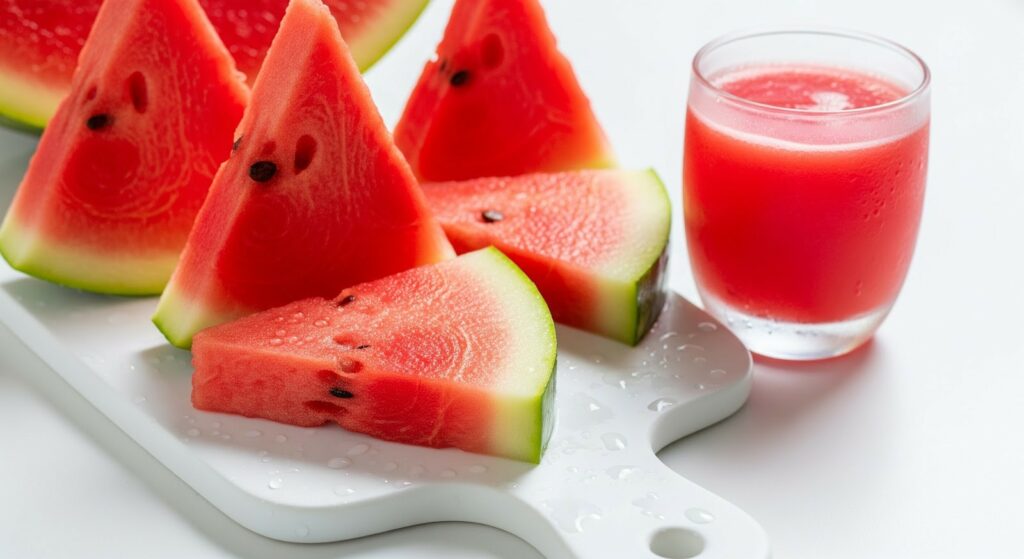
Beyond its thirst-quenching capacity, watermelon is a nutritional powerhouse, making it an excellent choice for hot weather.
A standard 200 g serving of diced watermelon, approximately one cup, delivers a robust nutrient profile:
- High Water Content: With approximately 184 g of water, it efficiently replenishes fluids lost through sweat, aiding in electrolyte balance and temperature regulation, often more effectively than sweetened beverages.
- Vitamin C: About 14 mg (15 % of the Recommended Dietary Allowance), crucial for skin health, collagen production, and strengthening the immune system against seasonal ailments.
- Vitamin A (as beta-carotene): Offering 865 IU (a unit of measurement for the potency or biological activity of a substance, often used for vitamins and hormones), this nutrient is vital for maintaining healthy vision, promoting vibrant skin, and acting as an antioxidant.
- Lycopene: A significant 6,900 µg (a unit of mass, equivalent to one-millionth of a gram, often used to measure small quantities of substances like vitamins, minerals, or medications) of this powerful carotenoid antioxidant is present—surpassing levels found in tomatoes. Lycopene is extensively studied for its role in reducing oxidative stress, potentially lowering the risk of certain chronic diseases, and even providing some UV protection.
- Potassium: Approximately 170 mg, an essential electrolyte that supports muscle function, nerve signals, and fluid balance, particularly important during heavy sweating in summer.
- Natural Sugars: Containing roughly 9 g of natural sugars per serving, watermelon provides a quick energy boost without excessive calories, making it a naturally sweet treat.
These components collectively contribute to watermelon’s role as a beneficial food, promoting overall well-being, especially when the body is under stress from high temperatures.
The Downside of Overeating Watermelon — When Good Becomes Too Much
While watermelon offers numerous health advantages, overindulgence can lead to unexpected discomfort and health concerns.
Understanding how much watermelon is too much means recognising these potential downsides:
- Digestive Discomfort: The high water and fibre content, coupled with a notable amount of fructose, can cause bloating, gas, and even diarrhoea in some individuals, particularly those with sensitive digestive systems or irritable bowel syndrome (IBS). Consuming several kilograms in one sitting can overwhelm the digestive tract.
- Blood Sugar Spikes: Despite being low in calories, watermelon has a high Glycaemic Index (GI) of around 76. While its Glycaemic Load (GL) is lower due to high water content, consuming very large portions can still cause rapid blood sugar fluctuations, especially concerning for individuals with diabetes or insulin resistance.
- Lycopene Overdose: While rare, excessive lycopene intake (over 30 mg daily) may cause skin discoloration (lycopenemia) and digestive issues like nausea or vomiting.
- Diuretic Effect and Electrolyte Imbalance: While watermelon’s water and potassium content is generally beneficial, excessive consumption may lead to frequent urination and, in rare cases, electrolyte imbalances.
- Timing of Consumption: Eating large amounts of watermelon close to bedtime can lead to nocturnal urination, disturbing sleep patterns. The high water content means your kidneys will be working overtime, prompting frequent trips to the bathroom.
Being aware of these potential issues allows for a more mindful approach to watermelon consumption, ensuring the watermelon consumption limit is respected for individual well-being.
What is the Ideal Portion Sizes & How to Enjoy Watermelon in Moderation?
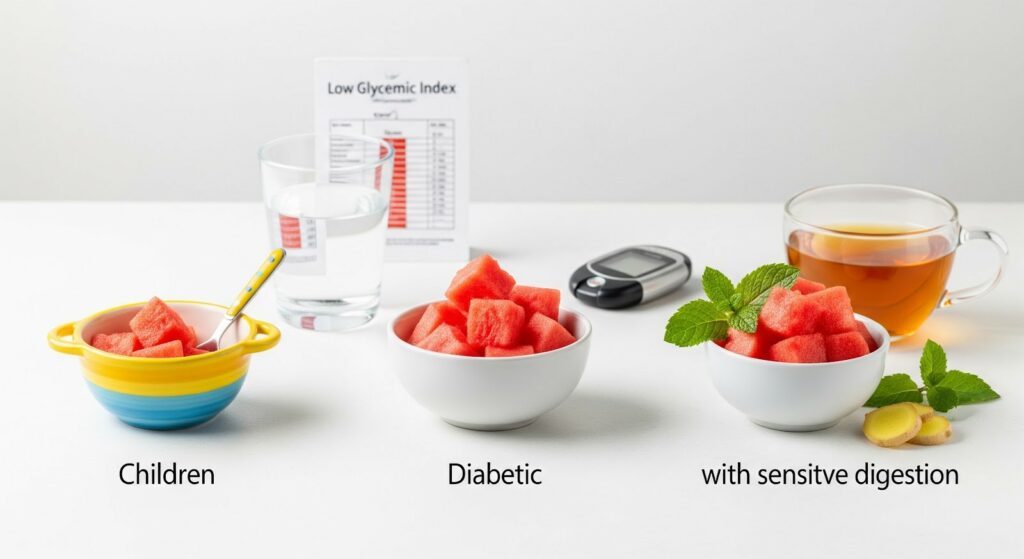
The key to enjoying watermelon without adverse effects lies in eating watermelon in moderation and understanding personal tolerance. For most healthy adults, a recommended portion size is typically 1 to 2 cups (approximately 200-400g) per day. This amount provides significant hydration and nutrients without triggering the downsides of overconsumption.
Specific considerations for different demographics are also crucial:
- Children: Smaller portions are advised, typically ½ to 1 cup per day, depending on age and activity level. Always remove seeds for very young children to prevent choking hazards.
- Diabetic Individuals: Due to watermelon’s GI ) GI, or Glycaemic Index, is a measure of how quickly a food raises blood sugar levels, with higher values indicating a more rapid increase.), it’s best consumed in controlled portions (e.g., ½ to 1 cup per serving) and ideally paired with sources of protein or healthy fats (like a handful of nuts or a small portion of paneer) to slow down sugar absorption and prevent sharp spikes. Monitoring blood sugar levels is always recommended.
- Individuals with Sensitive Digestion: Start with a small portion (e.g., ½ cup) and observe how your body reacts. Avoid consuming watermelon on an empty stomach or very late in the evening if you experience bloating or gas.
- Timing is Key: Enjoy watermelon during the day, especially mid-morning or as an afternoon snack. This allows your body ample time to digest the fruit and process the fluids before bedtime.
- Variety in Diet: While delightful, watermelon shouldn’t be your sole source of hydration or fruit intake. Combine it with other seasonal fruits and vegetables to ensure a broad spectrum of nutrients.
By adhering to these guidelines, you can fully embrace the delicious benefits of watermelon without any of the associated discomforts.
Balanced Feast for National Watermelon Day 2025
As we approach National Watermelon Day 2025, it’s an excellent opportunity to celebrate this iconic summer fruit with joy and wisdom. You can either enjoy watermelon slices with a pinch of rock salt for better taste, or order your favourite Watermelon cold-pressed juice from OMJOOS. Watermelon stands as a testament to nature’s perfect blend of hydration, essential vitamins, and powerful antioxidants, making it an undeniable asset during India’s hot months. However, as with all good things, moderation is paramount.
By understanding the nuances of how much watermelon is too much, appreciating both the health benefits and risks of watermelon, and consciously practising eating watermelon in moderation, you ensure a truly refreshing and healthy experience. So, slice it up, share it with loved ones, and savour every sweet bite responsibly. Let this National Watermelon Day be a reminder to balance enjoyment with mindful consumption for optimal health benefits throughout the season.
Also Read:
Latest News & Events

By: Gauri Harbola
The Story of Fruits: Symbolism of Fruits in Indian Festivals
Read More
By: Gauri Harbola
Mocktail Recipes for a Non-Alcoholic Diwali Party (with Cold-Pressed Juices)
Read More