
By: Gauri Harbola
Monsoon Superfruits: 5 Immunity-Boosting Fruits to Add to Your Diet
There’s something magical about the monsoon—the earthy aroma, cooler air, and those irresistible chai moments. But while the rains soothe the soul, they can stir up health issues too, from stomach troubles to seasonal sniffles.
But here’s the good news: Mother Nature offers us a vibrant array of seasonal fruits, each packed with nutrients that can help fortify our immune system and keep those monsoon maladies at bay. Let’s explore the best fruits to eat in the rainy season and discover how these monsoon superfruits can be your natural shield against illness!
5 Monsoon-Friendly Fruits Every Indian Should Add to Their Diet
As the monsoon deepens, fruit markets brim with seasonal treasures. These vibrant fruits do more than just please the palate—they’re nature’s way of preparing our bodies for the challenges of the rainy season. Packed with immunity-boosting nutrients, fibre, and antioxidants, they’re a delicious and powerful defence against monsoon-related ailments.
Let’s explore five such immunity-boosting fruits for monsoon that every Indian should enjoy during the rainy season.
1. Litchi – The Sweet Jewel of North India
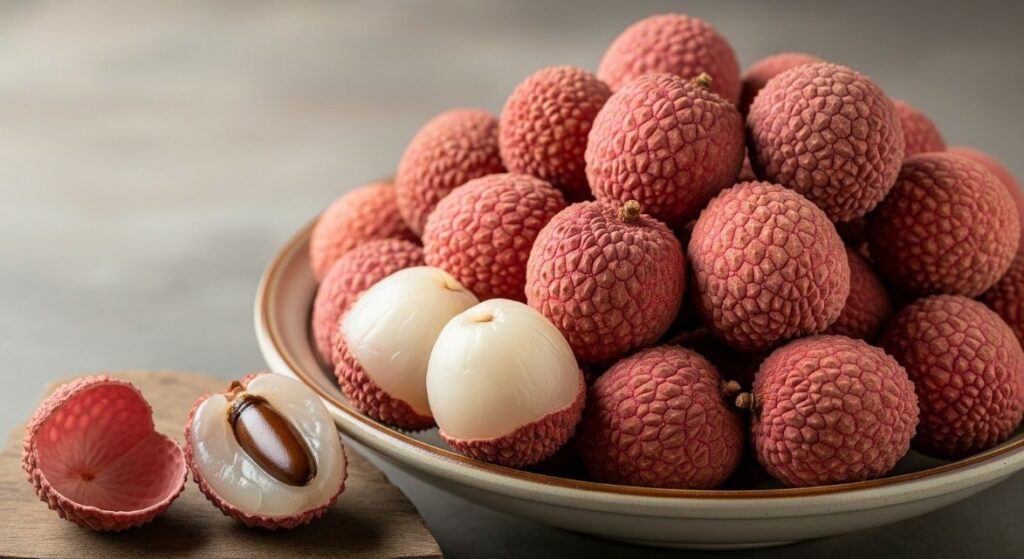
There is something deeply evocative about biting into a juicy litchi on rainy afternoons. The slightly translucent flesh enclosed in a rough red skin is indulgence personified; yet these small fruits offer more than just seasonal treats. At this time of year when as moisture increases, so does the risk of infection which requires health giving properties present in these tiny marvels.
Why Litchis Belong on Your Monsoon Plate:
- Natural Immunity Enhancer: Rich in Vitamin C—far more than many citrus fruits—litchis give your immune system the extra push it needs to fight off common colds and viral infections.
- Potent Antioxidants: Loaded with polyphenols and flavonoids that reduce oxidative stress and fight inflammation caused by erratic weather changes.
- Supports Digestion: The fruit’s natural fibre helps alleviate common digestive complaints such as bloating and irregular bowel movements.
Try This: For an ice-cold snack that beats both sweet cravings and the oppressive humidity, you could add peeled litchis to your fruit chaat, blend into smoothies, or freeze them.
2. Pomegranate – The Ruby-Red Rainy Season Warrior
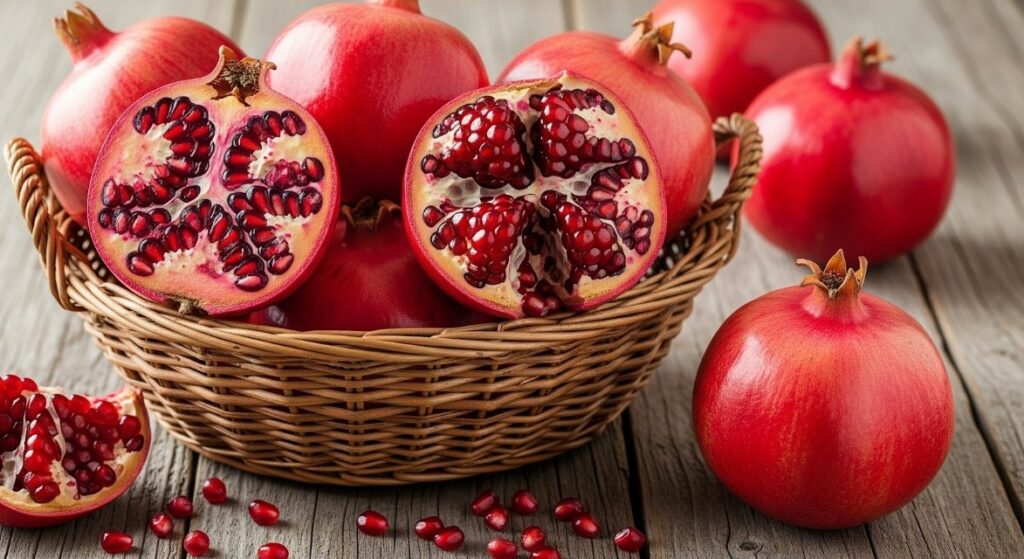
Pomegranate seeds (arils) tossed over dahi, salads or eaten directly are crunchy, vibrant and nutrient-rich. Underneath its aesthetic appeal lies a powerhouse of health-protecting compounds which are essential for monsoon wellbeing as well as immunity.
Why You Need Pomegranate in Your Rainy Day Routine:
- Dual Immunity Support: A rich source of Vitamin C and powerful antioxidants like punicalagin, which strengthen your immune system and combat bacterial and viral infections.
- Protects the Heart: Regular intake can support healthy blood pressure and improve heart function—especially valuable when your activity levels dip during wet weather.
- Aids Digestion: High fibre content supports gut health, helping you navigate the sluggish digestion and bloating that monsoon weather often triggers.
Try This: Poha and Upma can be given a surprise twist with the addition of pomegranate seeds, and tossing them into raitas adds both flavour and a nutritional punch to everyday meals.
3. Jamun – The Purple Powerhouse from Indian Streets
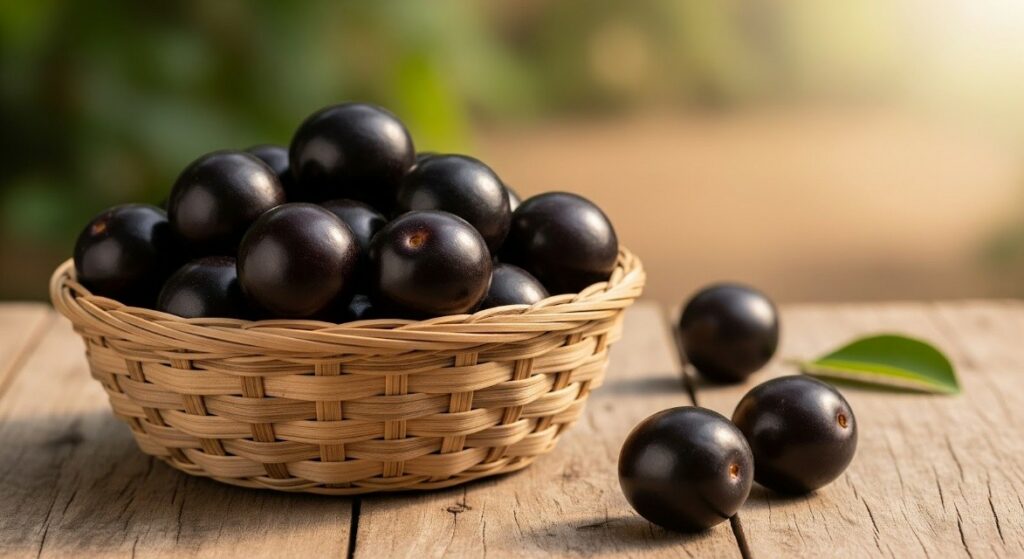
Jamun (Indian blackberry) is a seasonal monsoon favourite that brings back cherished memories—tangy bites from paper cones, purple tongues, and the thrill of picking them fresh. But beyond the nostalgia, jamun is one of the most medicinally valuable fruits of the season, especially when it comes to digestion and blood sugar regulation.
How Jamun Works Its Magic During Monsoon:
- Immunity Support: Abundant in Vitamin C and anthocyanins, jamun helps your body stay resilient against viral infections and throat irritations common in the rains.
- Soothes the Stomach: Its natural astringent properties help reduce water retention, relieve diarrhoea, and calm irritated digestive tracts.
- Beneficial For Individuals Managing Blood Sugar: Jamun’s low glycaemic index and blood sugar-regulating properties make it a healthy fruit for those monitoring glucose levels.
Try This: Blend jamun with black salt, mint, and roasted cumin to create a cooling, tangy digestive drink that’s perfect after heavy monsoon meals.
4. Plums – A Tangy Boost for Tummy and Immunity
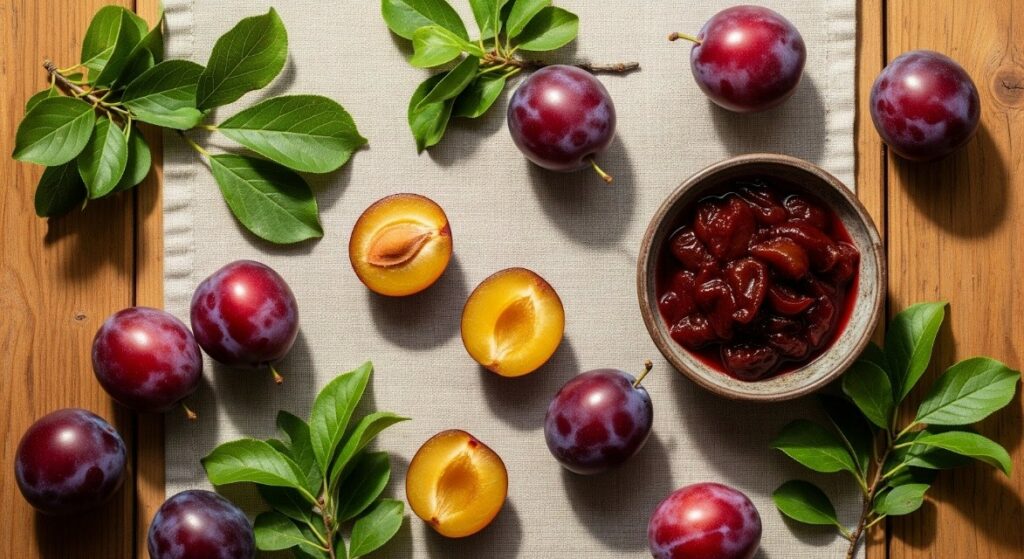
Known locally as aloo bukhara, plums bring a burst of colour and zest to the season. They have a unique combination of sharpness and sweetness, which is ideal for dealing with health problems associated with monsoons like fatigue and indigestion.
Why Plums Are a Rainy Season Star:
- Fights Infection: High levels of Vitamin C and antioxidant compounds strengthen the immune system to ward off seasonal bugs.
- Natural Digestive Aid: Sorbitol and dietary fibre gently regulate bowel movements, helping you promote gentle relief from digestive discomfort.
- Anti-Inflammatory Properties: Helpful in reducing internal inflammation caused by the damp and muggy environment.
Try This: Toss chopped plums into porridge, mix into yoghurt bowls, or enjoy as is for a tart-sweet bite that keeps your gut and tastebuds happy.
5. Pears – Hydrating, Gentle, and Ideal for Monsoon Recovery
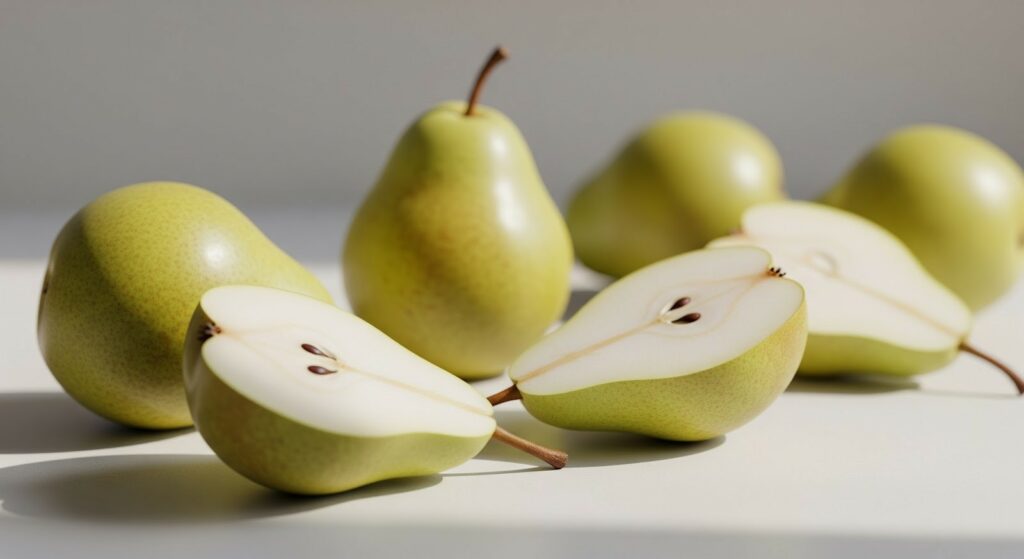
The modest nashpati (pear) is often forgotten compared to other more dramatic fruits but it deserves a regular spot in your monsoon diet. It has crisp flesh and mild sweetness which makes it very hydrating yet gentle on the stomach – perfect if you feel sluggish or are recovering from a minor infection.
Pears: Your Calm Companion During the Rains:
- Mild Yet Effective Immunity Boost: Contains Vitamin C and copper, which together help fortify your body’s defence mechanisms without overwhelming sensitive systems.
- Hydrating Naturally: Its high water content helps maintain fluid balance during humid conditions, when thirst cues may not be as noticeable.
- Supports Digestive Ease: Soluble fibre (mainly pectin) promotes regularity and is gentle on upset stomachs—perfect after a bout of monsoon-induced food sensitivity.
Why These Fruits Are Perfect for the Indian Monsoon
These healthy fruits for monsoon diet aren’t just delicious—they’re a nutritional powerhouse for the rainy season:
- Vitamin C: Essential for immunity and wound healing.
- Antioxidants: Help in guarding cells against damage and reducing inflammation.
- Fiber: Supports digestive health, an area often under stress during rainy season months.
- Hydration: Abundance of water prevents dehydration.
Monsoon Hygiene: How to Enjoy Fruits Safely
Contamination can increase during the Indian monsoon due to its damp and humid conditions.
Here’s how you can enjoy these seasonal fruits for immunity safely:
- Wash thoroughly: Rinse fruits under running water to remove dirt and microbes.
- Soak in salt/vinegar water: Soak fruits in a solution of salt or vinegar for 5–10 minutes, then rinse again. This helps remove surface contaminants.
- Peel when possible: If the skin is edible, consider peeling to reduce the risk of consuming pesticides or germs.
- Buy local and organic: Choose fresh, local, and organic produce to minimise exposure to chemicals and ensure maximum nutrition.
Conclusion: Make Monsoon Superfruits a Daily Ritual
This monsoon, let nature’s bounty be your best defence against seasonal ailments. By adding these monsoon superfruits to your daily vegetarian diet, you’ll nourish your body with essential vitamins, antioxidants, and fibre—helping you stay energised, hydrated, and illness-free. Celebrate the season by choosing fresh, local produce, and enjoy the vibrant flavours and health benefits these fruits bring to your table.
Read More:
Latest News & Events
By: Rashi Chaudhary
Juice for Diabetes Patients: What's Safe in Summer?
Read More